

Are you a Great Smoky Mountain National Park fanatic? You probably know a lot about the park if you are. But do you know everything about the Smokies? Check out these 6 fun facts about the Great Smoky Mountains you probably didn’t know:
1. Salamander Capital of the World
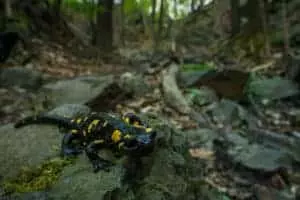
The Great Smoky Mountains National Park is home to more than 30 species of salamanders. The park is known for being the only place in the world that has this many salamanders in one area! It has been referred to as the “salamander capital of the world. Read more interesting facts about salamanders!
2. The First Settler was a Woman
William Ogle is credited as being the first person to settle in the area that is now known as the Great Smoky Mountains National Park. While he did build the home, Ogle ended up passing away before he could move in with his wife, Martha Jane Huskey Ogle, and children.
3. Some Buildings in Cades Cove have Moved
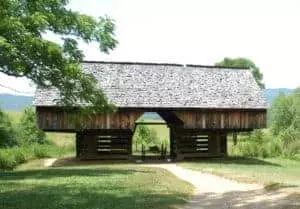
Many people don’t know that all of the buildings in the Cades Cove area weren’t originally built in the Cades Cove area. A handful of buildings were actually moved to the Cades Cove Scenic Loop. One of them is the Cades Cove Museum Barn and Smokehouse, and another is the Will Messer Barn. The Alex Cole Cabin has also been moved from its original location.
4. One of the Only Free National Parks
Here’s another one of the top fun facts about the Great Smoky Mountains: To enter the national park, you don’t have to pay an entrance fee. Many other national parks throughout the United States charge a fee for you to enter. When the area was being considered as a national park, Tennessee negotiated with the federal government that no toll or fee would be charged for people to drive on Newfound Gap Road, which eventually led to the national park being fee-free as well! There is a parking tag requirement for vehicles parked longer than 15 minutes; however, the small fee goes directly into the upkeep of the park. Since there is no entrance fee, the Great Smoky Mountains National Park has about 11 million visitors per year.
5. Llamas Carry Supplies to LeConte
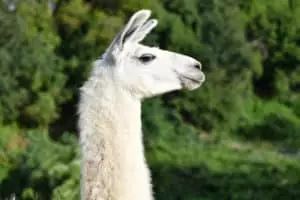
Mount LeConte is one of the most popular hiking destinations in the park. At the top, there’s LeConte Lodge, where travelers can rest and enjoy the beauty of nature. You might wonder how supplies reach the top of the mountain since the only way to get there is to hike. The answer is llamas! Llamas are pack animals, used for carrying large loads up mountains. The llamas and the handlers use Trillium Gap Trail since it is the easiest trail to get to the top. They make the trek 3 times a week.
6. Flowers Contributed to the Smokies Becoming a National Park
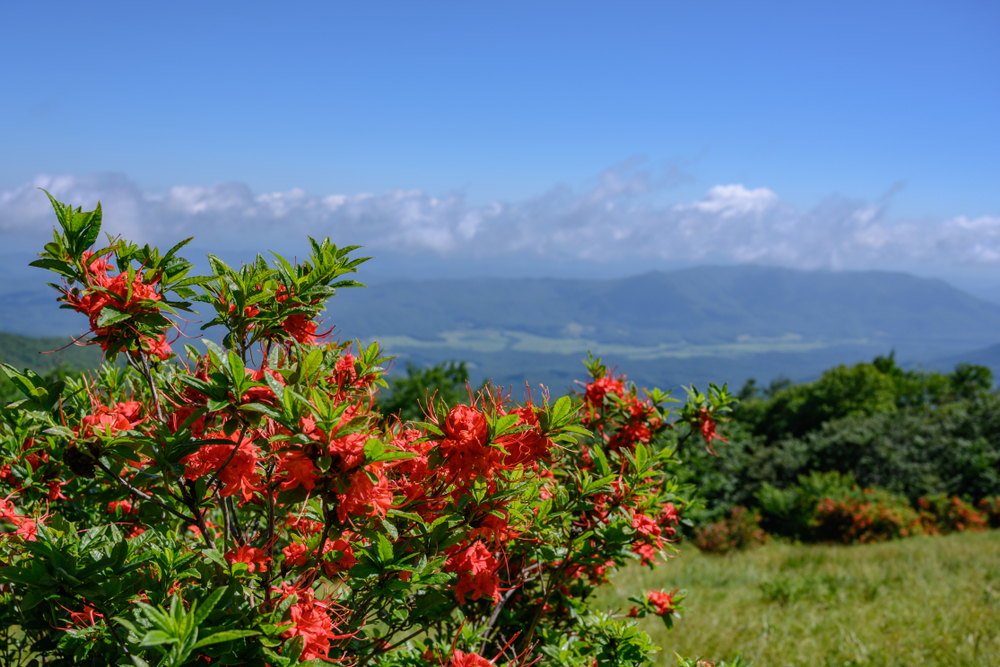
A national committee was sent to the Smokies in 1924 to scout for locations. While the committee was here, two members were taken to Mt. LeConte and Gregory Bald. One of these members was a world-famous botanist, Harlan P Kelsey. When they reached Gregory Bald, he saw all the flame azaleas throughout the meadow. He thought they were at their maximum growth the plant could reach, and it didn’t hurt that they were his favorite shrub. Kelsey claimed these Smoky Mountain wildflowers alone were a reason this area should become a national park.
We hope you liked learning these fun facts about the Great Smoky Mountains and have plans to explore this beautiful national park soon. If you want another way to enjoy being in the mountains, plan a white water rafting trip with us!